


Hair fall is a common problem faced by both men and women. Losing 50–100 strands daily is normal, but excessive hair fall needs attention. The key to stopping hair fall is understanding the cause and following a consistent treatment plan.
Below is a detailed, step-by-step guide to reduce and control hair fall effectively.
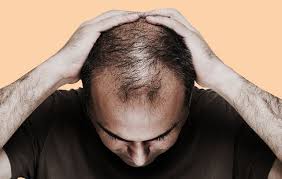
Step 1: Identify the Root Cause of Hair Fall
Before starting any treatment, you must understand why your hair is falling.
Common Causes:
- Nutritional deficiencies (iron, protein, vitamin D, B12)
- Stress and lack of sleep
- Hormonal imbalance (thyroid, PCOS, postpartum changes)
- Dandruff or scalp infection
- Excessive heat styling and chemical treatments
- Genetic hair loss (androgenetic alopecia)
If hair fall is sudden or severe, consult a dermatologist and get basic blood tests done.
Step 2: Improve Your Diet (Hair Starts from Inside)
Healthy hair needs proper nutrition.
What to Eat:
- Protein: Eggs, paneer, lentils, chicken, fish
- Iron: Spinach, beetroot, dates
- Healthy Fats: Almonds, walnuts, flaxseeds
- Vitamins: Citrus fruits, carrots, leafy vegetables
- Water: At least 8–10 glasses daily
Tip: If you have low iron or vitamin D levels, take supplements only after consulting a doctor.

Step 3: Oil Massage (2–3 Times Per Week)
Oiling improves blood circulation and strengthens hair roots.
How to Do It:
- Warm coconut or almond oil slightly.
- Apply gently to the scalp using fingertips.
- Massage in circular motions for 5–10 minutes.
- Leave it for 1–2 hours (or overnight).
- Wash with mild shampoo.
Best oils: Coconut oil, almond oil, castor oil (mix with coconut oil).
Step 4: Use Natural Hair Masks (Once a Week)
Natural remedies nourish the scalp and reduce hair fall.
1. Onion Juice Treatment
- Extract fresh onion juice.
- Apply to scalp for 20–30 minutes.
- Wash with mild shampoo.
Benefits: Boosts collagen and strengthens hair follicles.
2. Aloe Vera Mask
- Apply fresh aloe vera gel to scalp.
- Leave for 30 minutes.
- Rinse with lukewarm water.
Benefits: Reduces dandruff and scalp irritation.
Step 5: Follow a Proper Hair Washing Routine
Wrong washing habits increase hair fall.
Correct Method:
- Wash hair 2–3 times a week
- Use sulfate-free, mild shampoo
- Avoid very hot water
- Do not rub hair harshly with towel
- Let hair air dry whenever possible
Avoid tight hairstyles and aggressive combing, especially when hair is wet.
Step 6: Reduce Stress
Stress is a major reason for sudden hair loss (telogen effluvium).
Stress Control Tips:
- Practice yoga or meditation
- Exercise 3–4 times a week
- Sleep 7–8 hours daily
- Limit screen time before bed
Mental health directly affects hair health.
Step 7: Medical Treatments (If Hair Fall Continues)
If natural methods do not work after 3–4 months, consider medical options.
1. Minoxidil
Minoxidil is FDA-approved for treating hair thinning. It improves blood flow to hair follicles.
2. PRP Therapy
Platelet-Rich Plasma therapy stimulates inactive hair follicles and promotes regrowth.
3. Consult a Dermatologist
If you notice bald patches or extreme shedding, seek professional advice immediately.
Step 8: Maintain Consistency
Hair regrowth takes time. You may start noticing improvement after 2–3 months of consistent care.
Important Reminders:
- Do not switch products frequently
- Avoid chemical treatments during recovery
- Stay consistent with diet and routine