


Weight Loss: A Practical Guide to Sustainable Results
Weight loss is one of the most common health goals worldwide. While quick fixes and fad diets promise rapid results, sustainable weight loss is about consistent habits, balanced nutrition, and long-term lifestyle changes. Understanding how your body works—and what truly drives fat loss—can help you build a plan that actually lasts.
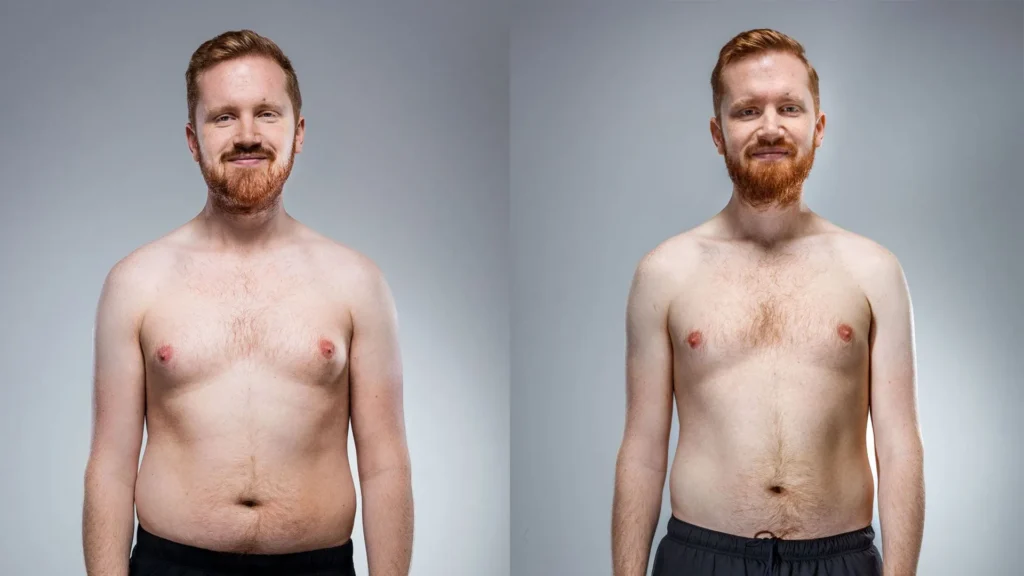
Understanding Weight Loss
At its core, weight loss occurs when you burn more calories than you consume. This is known as a calorie deficit. However, not all calories are equal in how they affect hunger, metabolism, and overall health. Quality matters just as much as quantity.
Weight is influenced by several factors:
- Diet and eating patterns
- Physical activity levels
- Sleep quality
- Stress
- Hormones
- Genetics
Because of this, healthy weight loss is rarely just about “eating less.”
The Role of Nutrition
A balanced diet is the foundation of successful weight loss.
1. Prioritize Whole Foods
Focus on:
- Vegetables and fruits
- Lean proteins (chicken, fish, beans, tofu)
- Whole grains
- Healthy fats (avocado, nuts, olive oil)
Whole foods are nutrient-dense and more filling, helping you stay satisfied while consuming fewer calories.

2. Increase Protein Intake
Protein helps preserve muscle mass during weight loss and keeps you fuller for longer.
3. Watch Portion Sizes
Even healthy foods can contribute to weight gain if eaten in large amounts.
4. Limit Processed Foods and Added Sugars
Highly processed foods are often calorie-dense and less satisfying.
Exercise and Physical Activity
Exercise supports fat loss, improves heart health, and boosts mood.
Strength Training
Building muscle increases your resting metabolism. Lifting weights 2–4 times per week can make a significant difference.
Cardiovascular Exercise
Walking, running, cycling, and swimming help burn calories and improve endurance.
Daily Movement
Non-exercise activity—like taking the stairs or walking more—adds up over time.
The Importance of Sleep and Stress Management
Poor sleep disrupts hunger hormones and increases cravings. Aim for 7–9 hours of quality sleep per night.
Chronic stress raises cortisol levels, which may promote fat storage—especially around the abdomen. Stress-reducing habits like meditation, journaling, or deep breathing can support your goals.
Avoiding Common Mistakes
- Extreme dieting: Often leads to muscle loss and rebound weight gain.
- Skipping meals: May cause overeating later.
- Relying only on cardio: Strength training is essential for long-term success.
- Expecting fast results: Healthy weight loss is typically 0.5–1 kg (1–2 pounds) per week.
Sustainable Strategies
- Set realistic goals
- Track progress (not just weight—measure energy, strength, and clothing fit)
- Build habits gradually
- Stay consistent rather than perfect
Remember, weight loss is not just about appearance—it’s about improving overall health, confidence, and quality of life.